
A custom-built hybrid car merges classic design with modern performance by retrofitting or reimagining vintage vehicles with contemporary electric or hybrid powertrains, battery systems, and digital controls while preserving the aesthetic and cultural identity of the original design. This approach allows enthusiasts and entrepreneurs to capture the nostalgic appeal and craftsmanship of iconic vehicles—think a 1960s Jaguar E-Type or a 1970s Porsche 911—while gaining fuel efficiency, reduced emissions, and the reliability of modern automotive engineering. A prime example is the work done by companies like EV West and Charge Automotive, which have converted classic Porsche models into fully electric vehicles that deliver 300+ horsepower while maintaining the unmistakable silhouette and interior charm of the originals.
For entrepreneurs in the automotive aftermarket space, this convergence represents a significant business opportunity. Rather than choosing between preserving heritage and embracing innovation, custom hybrid conversions allow both simultaneously. The market appeal is substantial: owners of classic cars gain practical, daily-drivable vehicles without sacrificing collector value, while the conversion process creates intellectual property around design, engineering, and manufacturing that can be scaled or licensed.
Table of Contents
- Why Preserving Exterior Character Matters More Than Engine Specifications
- The Engineering Challenge of Marrying Old Platforms to New Drivetrains
- Interior Comfort and User Experience Transformation
- Cost-Benefit Analysis and the True Investment Required
- Battery Technology Limitations and Long-Term Reliability Concerns
- The Entrepreneurial Model: From One-Off Customization to Scalable Product
- Future Outlook and the Evolution of Hybrid Classics
- Conclusion
Why Preserving Exterior Character Matters More Than Engine Specifications
The exterior design of a classic car is its primary asset—decades of design history, cultural significance, and emotional resonance are embedded in every line and curve. A hybrid conversion succeeds when these visual markers remain unchanged or are only subtly altered to accommodate functional requirements like charging ports or revised exhaust outlets. The challenge is significant: modern hybrid powertrains require different cooling systems, weight distribution, and spatial considerations than original combustion engines. A 1967 Mustang fastback converted to hybrid power must still immediately read as a 1967 Mustang fastback, or its value to the owner erodes. Engineering firms handling these conversions have learned to hide complexity.
Battery packs are tucked beneath the car’s floor without raising the ride height noticeably. Engine bays appear cleaner and more compact than original combustion setups, which some restorers use as an opportunity to display mechanical elegance. The limitation here is that the owner sometimes sacrifices interior space—a classic two-seater may lose its modest trunk to battery storage, a real constraint for everyday usability. One example is the Tesla-powered Volkswagen Beetle conversions popularized by shops like EV West. The Beetle’s distinctive shape remains intact, but performance transforms dramatically: 0-60 times drop from 20+ seconds to under 10 seconds, while the underbody is completely reimagined with modern suspension geometry and independent motor mounts.
The Engineering Challenge of Marrying Old Platforms to New Drivetrains
Installing a hybrid or electric powertrain into a car designed in the 1950s or 1960s requires solving problems the original engineers never anticipated. Classic cars typically have ladder-frame or body-on-frame construction, simple mechanical steering, and minimal structural reinforcement where modern engines place concentrated loads. A hybrid powertrain is heavier than expected—a Tesla Model S motor and battery pack can weigh 1,500 pounds, and that mass must be distributed without compromising the chassis’s structural integrity or handling balance. The warning here is fundamental: a poorly executed conversion can create a vehicle that feels unstable, nosedives under braking, or oversteers unpredictably.
Shops that rush this work—cutting corners on suspension geometry, chassis reinforcement, or brake upgrades—produce cars that are unsafe regardless of how authentic they look. This is not a cosmetic issue; it directly affects whether the car can be legally registered or driven with confidence. Additionally, integrating modern digital systems—regenerative braking, traction control, battery management—into a car that originally had vacuum-operated systems requires custom wiring, programming, and testing. Some shops create proprietary software for this integration, which becomes a limiting factor if the owner later wants to service the vehicle elsewhere.
Interior Comfort and User Experience Transformation
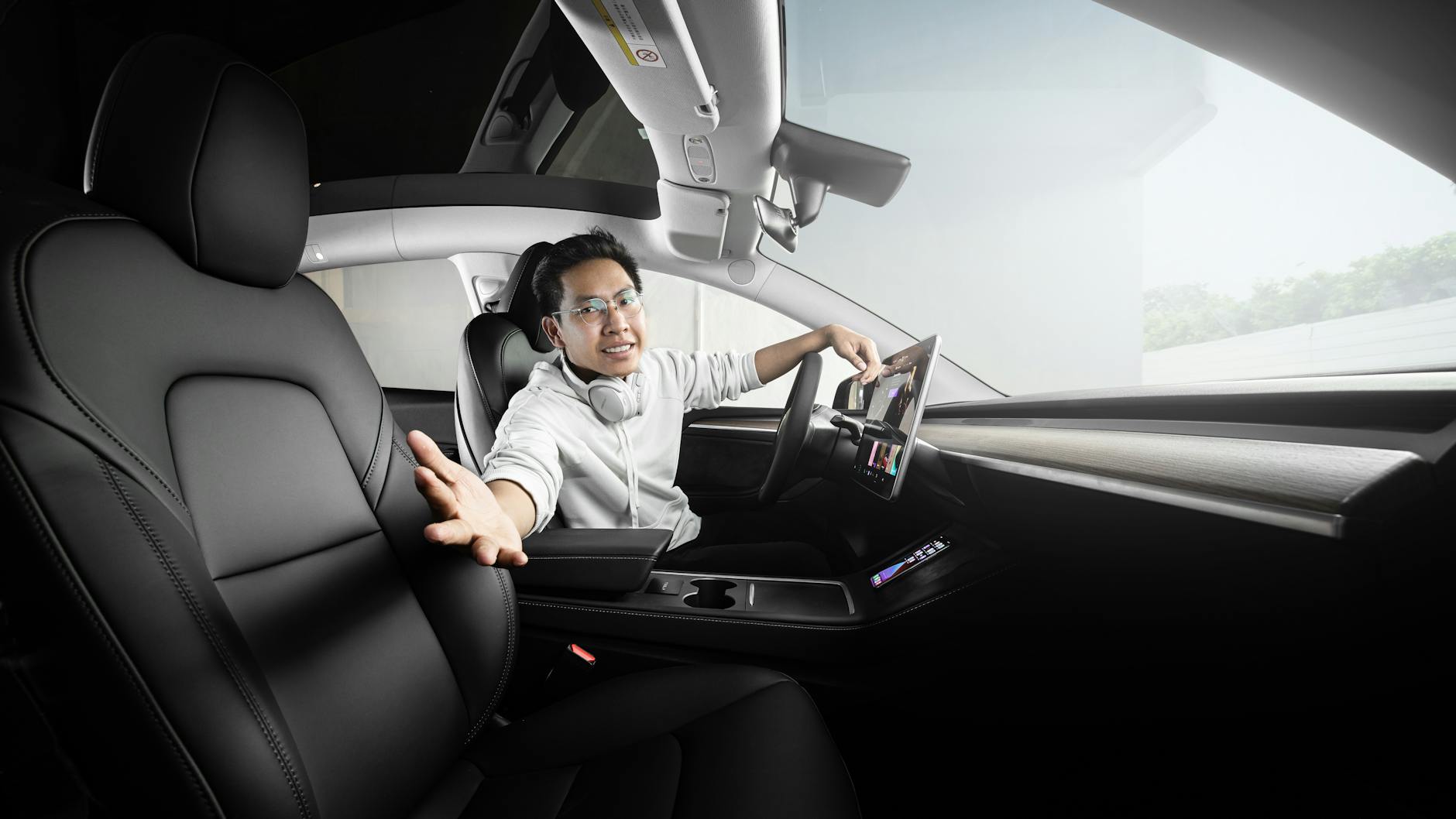
The interior is where the hybrid conversion truly reveals its modern engineering. Original classic cars often feature uncomfortable seats, poor climate control, and limited visibility by today’s standards. A hybrid retrofit allows the addition of modern HVAC systems, LED lighting, power steering assist, and ergonomic seats without requiring visible exterior modifications. The gauge cluster can be replaced with a digital display that shows real-time efficiency metrics, battery state, and predicted range—information that gives the driver a tangible sense of the hybrid system’s performance. A 1971 Mercedes-Benz 450SL converted to hybrid power can retain its iconic exterior while gaining heated and ventilated leather seats, a climate-controlled cabin, and a modern infotainment system.
The steering remains light and responsive, but assisted by a modern electric system that makes parking and low-speed maneuvers effortless. For owners, this transformation means the car becomes genuinely usable in contemporary driving conditions—highway driving is less fatiguing, commuting is practical, and long trips become comfortable. This interior transformation also has a financial dimension. A restored classic car with modern interior comfort justifies a higher resale value and attracts a broader buyer base than a purely original restoration would. It’s a direct market signal that the blending of periods appeals to affluent buyers who want usability and heritage in equal measure.
Cost-Benefit Analysis and the True Investment Required
Building a custom hybrid car is expensive. A professional conversion of a classic vehicle typically costs $50,000 to $150,000, depending on the donor car and the scope of work. For context, a fully restored original classic car of equivalent quality might cost $30,000 to $80,000, depending on rarity. The hybrid conversion premium reflects the engineering customization, proprietary software development, and integration labor required. The tradeoff is worth examining carefully. The hybrid car delivers lower operating costs—electric efficiency means fuel or energy costs drop by 60-80% compared to the original powertrain.
Insurance and maintenance also decrease for an electric motor versus a combustion engine with no oil changes, spark plugs, or transmission fluid to service. Over a decade of driving, these operational savings can recover 30-50% of the conversion cost. However, battery replacement—potentially a $15,000 to $30,000 expense after 10-15 years—remains a significant unknown cost. The entrepreneur’s perspective on cost involves licensing and scaling. A shop that develops a repeatable conversion process for a specific model (say, second-generation Porsche 911s) can reduce per-unit conversion costs substantially, potentially enabling franchise-style expansion or direct-to-consumer sales of pre-converted vehicles. The initial engineering investment pays forward across dozens or hundreds of conversions.
Battery Technology Limitations and Long-Term Reliability Concerns
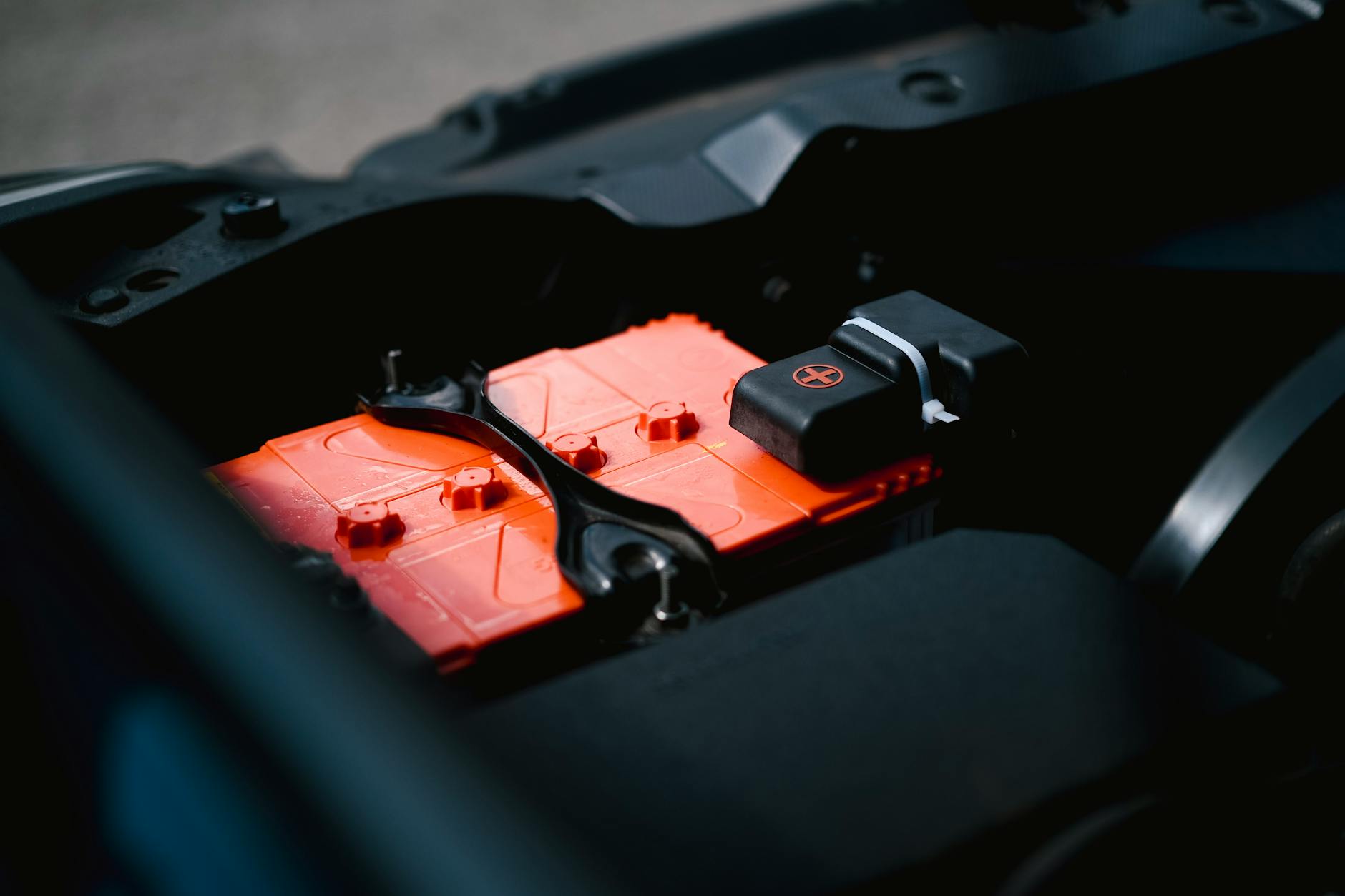
The battery pack is the most critical component and the most uncertain. Current lithium-ion technology guarantees 8-10 years or 100,000-150,000 miles of usable capacity before degradation becomes noticeable. For a car driven occasionally—10,000 miles per year—a battery might remain viable for 15+ years, but for enthusiasts who drive their classic cars regularly, replacement is a real possibility within the ownership timeline. The warning is twofold. First, battery chemistry is evolving rapidly, and a pack installed today may become difficult or impossible to replace with identical specifications in 20 years as the industry moves to new chemistries.
Second, thermal management of batteries in a classic car that was never designed for it requires sophisticated cooling systems that must operate quietly and invisibly. If a battery cooling system fails, it can overheat and lose capacity permanently, and repairs may not be available from standard mechanics. One limitation that affects resale value: classic car enthusiasts and collectors are divided on whether hybrid conversions are desirable or destructive. Some view them as forward-thinking; others see them as desecration of original design intent. This split opinion creates market risk—a conversion that one buyer sees as visionary, another sees as a dealbreaker. A fully original classic car has a wider appeal and more predictable resale value than a hybrid conversion, even if the conversion is technologically superior.
The Entrepreneurial Model: From One-Off Customization to Scalable Product
The most successful hybrid conversion businesses have evolved from bespoke artisanal work toward semi-scalable product models. EV West, for instance, began converting single vehicles for enthusiasts but developed standardized kits for popular models like the Porsche 914 and Volkswagen Beetle. These kits compress the conversion timeline from 6-12 months to 3-4 months and reduce cost variability, making the business more predictable and profitable.
For entrepreneurs entering this space, the business model hinges on developing intellectual property—a proven conversion design, custom mounting brackets, proprietary software, and service documentation that can be replicated. A shop that converts one unique Ferrari 308 for a wealthy client makes a fixed profit. A shop that develops a replicable 308 conversion kit and sells it to other shops creates recurring revenue. This shift from service business to product business is where venture-scale economics become possible in the hybrid conversion market.
Future Outlook and the Evolution of Hybrid Classics
The hybrid conversion market is poised for growth as three factors converge: stricter emissions regulations that threaten classic car ownership in major cities, improving battery technology that promises longer range and faster charging, and rising interest in sustainable luxury. In cities like London and Los Angeles, owning and driving a pre-emission-control vehicle is becoming legally restrictive.
A hybrid conversion solves this regulatory problem while preserving the car’s identity. Looking ahead, solid-state batteries—expected in production vehicles by 2030—will offer significantly higher energy density and improved thermal stability, making them safer and more efficient in retrofit applications. Conversions built today with lithium-ion technology may seem primitive by 2035, but they will demonstrate the market viability and desirability of the category, attracting capital and talent to refine the approach.
Conclusion
A custom-built hybrid car succeeds by treating the classic design as non-negotiable and the powertrain as a solved problem. The visual and cultural identity of the original vehicle is preserved through careful engineering, while modern performance, efficiency, and comfort standards are integrated into the mechanical and electrical systems. This balance is neither cheap nor simple to achieve, but it opens a new category of vehicle ownership where nostalgia and practicality coexist.
For entrepreneurs, the hybrid conversion market represents an opportunity to build valuable intellectual property, develop repeatable processes, and scale from bespoke service to product-based business models. The market is growing, regulatory tailwinds are favoring electric conversions, and technology is advancing in ways that make integrating new powertrains into old cars increasingly feasible. The next five years will determine which conversion shops become dominant brands and which remain niche specialists.