
A Dublin restaurant and brewing business owner has become the subject of community remembrance, reflecting the deep imprint that dedicated entrepreneurs can leave on their neighborhoods. When business owners commit themselves fully to their craft and their communities, they often transcend the role of mere proprietor to become a cherished cultural fixture. The owner in question built more than just a successful food and beverage operation—they created a gathering place where neighbors became friends, where local traditions took root, and where the business itself became intertwined with the community’s identity.
For entrepreneurs, this story illustrates a fundamental truth: the most enduring businesses are built on genuine relationships and authentic commitment to the people they serve. This Dublin owner exemplified that principle by maintaining consistent quality, supporting local suppliers, and creating an environment where customers felt like family rather than transactions. The remembrance now flowing through the community is a testament to having built something meaningful that will outlast any single person.
Table of Contents
- How Personal Leadership Shapes Restaurant and Brewery Success
- Building Community Roots in a Competitive Market
- The Specific Demands of Restaurant and Brewery Operations
- Lessons in Sustainable Business Building for Entrepreneurs
- The Reality of Owner-Dependent Businesses and Succession Planning
- The Economics of the Dublin Hospitality Market
- Legacy Building in the Age of Transient Culture
- Conclusion
How Personal Leadership Shapes Restaurant and Brewery Success
Restaurant and brewery ownership ranks among the most demanding entrepreneurial paths, with industry failure rates typically exceeding 50% within five years. Yet some owners transcend these odds by combining business acumen with what might be called “place-making”—the ability to create somewhere people want to be. The Dublin owner achieved this by being present in the business daily, knowing customers by name, and treating employees as partners in a shared mission rather than as interchangeable labor. This approach to leadership directly influenced every aspect of the operation, from menu decisions to staff turnover rates.
The challenge with this leadership style is its scalability. When a business owner becomes the heart of an operation, expansion and delegation become complicated. Many entrepreneurs in food and beverage struggle with this exact tension—their personal involvement is what makes the business special, but personal involvement also becomes the ceiling on growth. Some founders solve this by deliberately documenting their values and training managers who embody those values even when the owner isn’t present. Others accept that their business will remain smaller and more intimate, which is a valid choice that prioritizes legacy over expansion.

Building Community Roots in a Competitive Market
Dublin’s food and beverage scene, like most urban markets, has become increasingly competitive over the past decade. new restaurants open constantly, often backed by significant capital and sophisticated marketing. Yet the owner of this remembered establishment apparently competed not through trendy concepts or aggressive promotion, but through consistency and community integration. They hosted local events, sponsored neighborhood initiatives, and sourced ingredients from nearby producers—decisions that reduced profit margins in the short term but built customer loyalty that transcended price competition.
One limitation of this community-first approach is its vulnerability to economic disruption. When a business’s revenue depends heavily on foot traffic and loyal customers gathering in person, sudden changes—like pandemic lockdowns or significant demographic shifts—can threaten survival. The owner navigated such challenges by adapting operations while maintaining core values, demonstrating the resilience that deep community roots can sometimes provide. However, pure community loyalty alone cannot entirely insulate a business from macroeconomic forces, which remains a warning for entrepreneurs building in physical locations.
The Specific Demands of Restaurant and Brewery Operations
Restaurants and breweries are capital-intensive businesses with thin profit margins, typically operating on 3-9% net profitability before owner compensation. Food costs, labor expenses, and inventory management demand constant attention. A brewery adds complexity through production capacity management, ingredient sourcing for specialty products, and equipment maintenance that requires specialized knowledge. The owner managed these operational realities over what appears to have been years of consistent service—a feat that reflects both business competence and personal resilience.
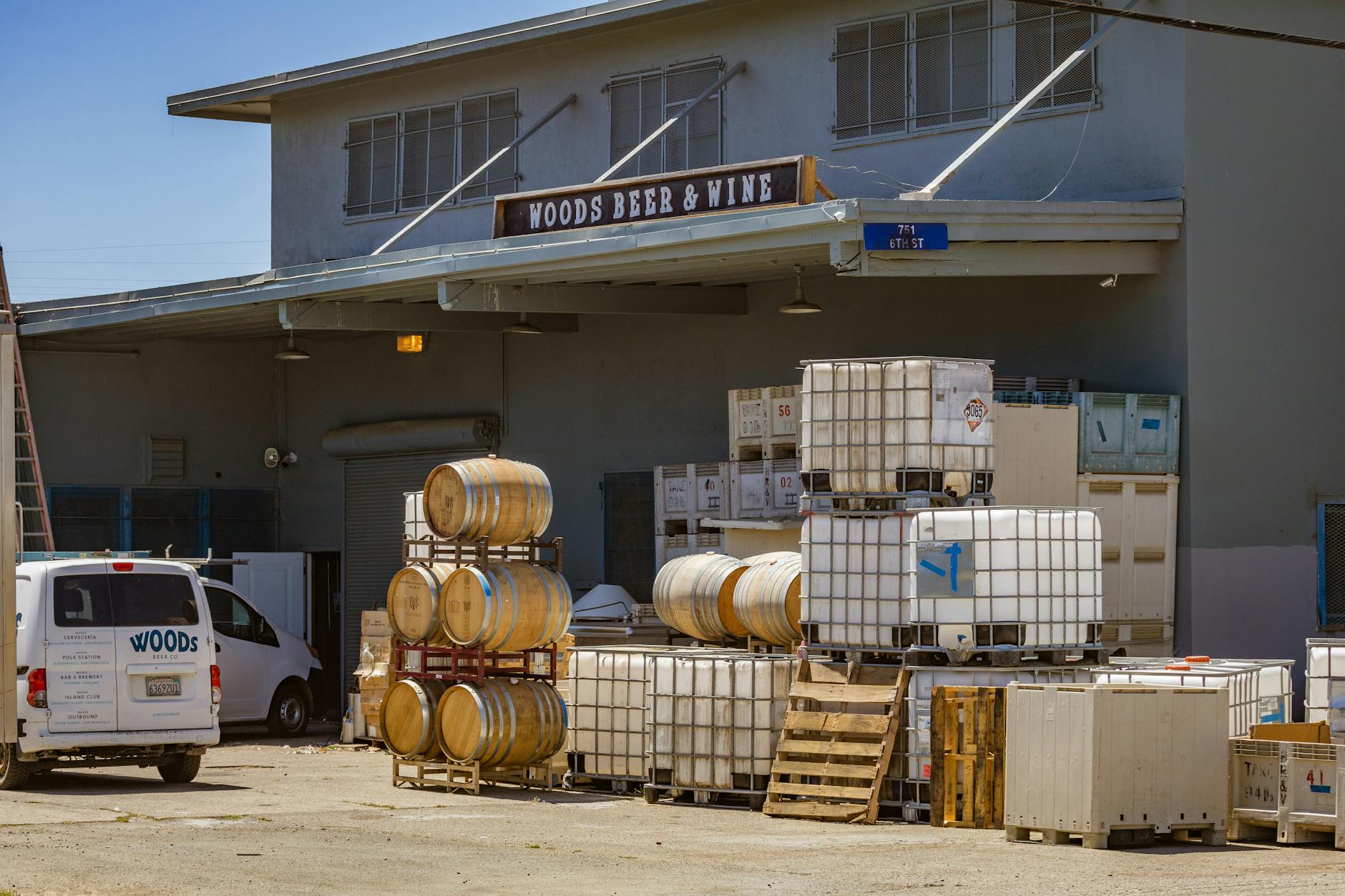
The brewing side of the business introduces particular challenges. Craft breweries require significant upfront investment in equipment, ingredient quality control, and often years of recipe development before a beer truly represents a location’s character. The owner apparently invested in both quality and experimentation, creating signature products that became associated with Dublin itself. This type of differentiation is harder to replicate than a standard restaurant menu, which likely contributed to the lasting remembrance—people didn’t just miss the place; they missed the specific beers and products that couldn’t be found elsewhere.
Lessons in Sustainable Business Building for Entrepreneurs
For entrepreneurs starting or running businesses, this owner’s story offers several practical lessons. First, consistency matters more than innovation in creating loyalty. People remember businesses that reliably deliver quality, not necessarily businesses that constantly chase trends. Second, direct customer engagement—being visible, knowing names, remembering preferences—remains a competitive advantage that technology alone cannot replicate.
Third, treating employees well enough that they want to stay creates institutional knowledge and service quality that new hires cannot immediately match. The tradeoff entrepreneurs face with this approach is speed versus depth. Building deep community roots takes time and involves saying no to growth opportunities that would dilute the original character. A founder could potentially expand this restaurant model to multiple locations or franchise the brewery, but doing so would fundamentally change what made the original special. The choice to maintain focus and depth rather than pursue expansion is less glamorous than growth-at-all-costs narratives, yet it appears to have created more lasting value and community impact.
The Reality of Owner-Dependent Businesses and Succession Planning
One challenge that emerges from extremely successful owner-driven businesses is the question of succession. When customers love a restaurant primarily because of the owner’s presence, or when a brewery’s reputation rests on the founder’s personal standards, the transition to new leadership becomes complicated. Some owner-dependent businesses close when their founders retire, unable to maintain the magic without the original leader. Others successfully transition by having documented systems, cultivated relationships with key staff, and gradually introducing successors to customers and suppliers.
A warning for entrepreneurs building their own beloved businesses: ensure that the business can survive and thrive without your constant presence. This requires documenting recipes and processes, training managers to embody your values, and gradually sharing decision-making authority. Many founders resist this transition because it feels like losing control, yet building a business that depends entirely on one person is actually a significant vulnerability. The owner in this story apparently built relationships strong enough that the community’s remembrance suggests the business and its values may continue, but this outcome is not inevitable without intentional succession planning.

The Economics of the Dublin Hospitality Market
Dublin’s hospitality sector has evolved significantly, with rising rents, labor costs, and competition from both traditional restaurants and newer concepts like casual chains and food delivery aggregators. Operating a beloved independent restaurant in this environment requires both financial discipline and resistance to pressure to compromise on quality. The owner apparently maintained premium standards—using quality ingredients, paying staff fairly, creating an atmosphere that justified premium pricing—despite cost pressures that might have tempted cost-cutting.
This restaurant became a gathering space for diverse parts of the community, from students to professionals to longtime residents. Creating such inclusive gathering places has become rarer in many urban centers, where rising rents push venues toward either high-end exclusivity or low-cost volume operations. The remembered owner apparently found a middle path, maintaining profitability while keeping the space genuinely accessible and welcoming to ordinary people.
Legacy Building in the Age of Transient Culture
In a cultural moment when consumers often prioritize convenience and novelty, the fact that this owner is being genuinely remembered speaks to something deeper about what people actually value. Communities remember places and people who invested in real relationships, who remained consistent, and who contributed to local character. This owner’s legacy will likely extend beyond the immediate future—their influence on how Dublin’s hospitality industry operates, the employees they trained, the suppliers they supported, and the memories thousands of people carry.
For other entrepreneurs, the lesson is clear: the most enduring success comes from building something you genuinely believe in, for people whose names and stories you know. The memory of this beloved owner suggests that this approach creates value that spreadsheets cannot capture—value measured in a community’s collective sense of loss and gratitude, in recurring customers becoming lifelong friends, and in a physical space becoming part of people’s identity. This is the foundation of sustainable entrepreneurship.
Conclusion
The remembrance of this Dublin restaurant and brewing owner reflects a success that transcends financial metrics. They built a business that mattered—one that served genuinely good food and beer, employed people fairly, gathered community members who might otherwise remain strangers, and created something distinctly local in an increasingly homogenized world. For entrepreneurs, their story offers both practical lessons about consistency and quality, and deeper lessons about what success actually means.
As the Dublin community honors this owner’s memory, they are also reinforcing the values that made their business special—values that entrepreneurs in any field can learn from. Building a beloved business requires patience, authenticity, and a genuine commitment to the people you serve. The results may not always show up in year-one growth charts, but they accumulate over time into something far more valuable: a lasting legacy and a community that genuinely remembers you.