
Designers today face a fundamental paradox: the tools that democratized design have simultaneously commodified it. Cookie-cutter website templates and AI-generated visuals now dominate the digital landscape, making genuine visual differentiation harder to achieve but exponentially more valuable when executed well. The answer to how designers reclaim that differentiation is deceptively simple: they stop treating design as a cost center and start treating it as a competitive asset.
Consider a B2B SaaS company that ditches its Webflow template for custom typography, bespoke illustration, and a personalized motion language—the result isn’t just a prettier website. It’s a business that feels unmistakably *itself*, something 38% of users won’t abandon after a single glance. The shift toward custom engagement represents a broader maturation in how startups think about branding. Five years ago, the conversation centered on efficiency: “How do we get a site live in two weeks?” Today’s winning startups ask a different question: “How do we create something our competitors can’t copy in two weeks—or ever?” This requires rethinking design at a systemic level, moving beyond aesthetic tweaks to embrace differentiation as a strategic discipline.
Table of Contents
- Why Standard Templates Fail to Capture Audience Attention and Build Brand Loyalty
- The Rise of Humanized Design in an Age of AI Perfection
- Custom Illustration and Photography as Business-Critical Assets
- Building Differentiation Through Visual Systems, Not One-Off Design Choices
- The Hidden Challenges of Custom Design and When DIY Fails
- Real-World Examples of Custom Engagement Creating Market Advantage
- The Future of Visual Differentiation in an Increasingly Commodified Market
- Conclusion
- Frequently Asked Questions
Why Standard Templates Fail to Capture Audience Attention and Build Brand Loyalty
The ubiquity of design templates created a paradox of choice that ultimately collapses into uniformity. When thousands of startups can spin up identical hero sections, card layouts, and call-to-action patterns from the same template library, visual differentiation stops being a design quality and becomes a business necessity. Research shows that 38% of users will abandon a website with poor design—but equally damaging is arriving at a site that feels generic and indistinguishable from five competitors the user visited earlier that day. A fintech startup using the same polished, corporate-neutral template as a wellness app and a property management platform doesn’t just fail to stand out; it actively signals that the company has nothing unique to offer. Template design creates what we might call “visual noise cancellation.” Users develop immunity to standard patterns because they’ve seen them hundreds of times.
A cookie-cutter card layout doesn’t capture attention the way a custom illustration or unexpected typography choice might. Personalization—adapting visual design to user behavior, preferences, location, device, and even mood—demands a level of intentionality that templates, by definition, cannot provide. A template gives you the same foundation as everyone else; custom engagement means designing specifically for *your* audience, in *their* context, with solutions *their* competitors aren’t even attempting. The economic argument for templates is seductive, especially for early-stage founders. Yet the cost-benefit calculation shifts once you understand what visual differentiation actually delivers: higher conversion rates, increased user engagement, and the kind of brand recall that makes word-of-mouth marketing actually work. A startup paying $500 for a template versus $15,000 for a designer might feel economically rational until that template is used by 10,000 other companies and the custom design becomes a permanent competitive advantage.
The Rise of Humanized Design in an Age of AI Perfection
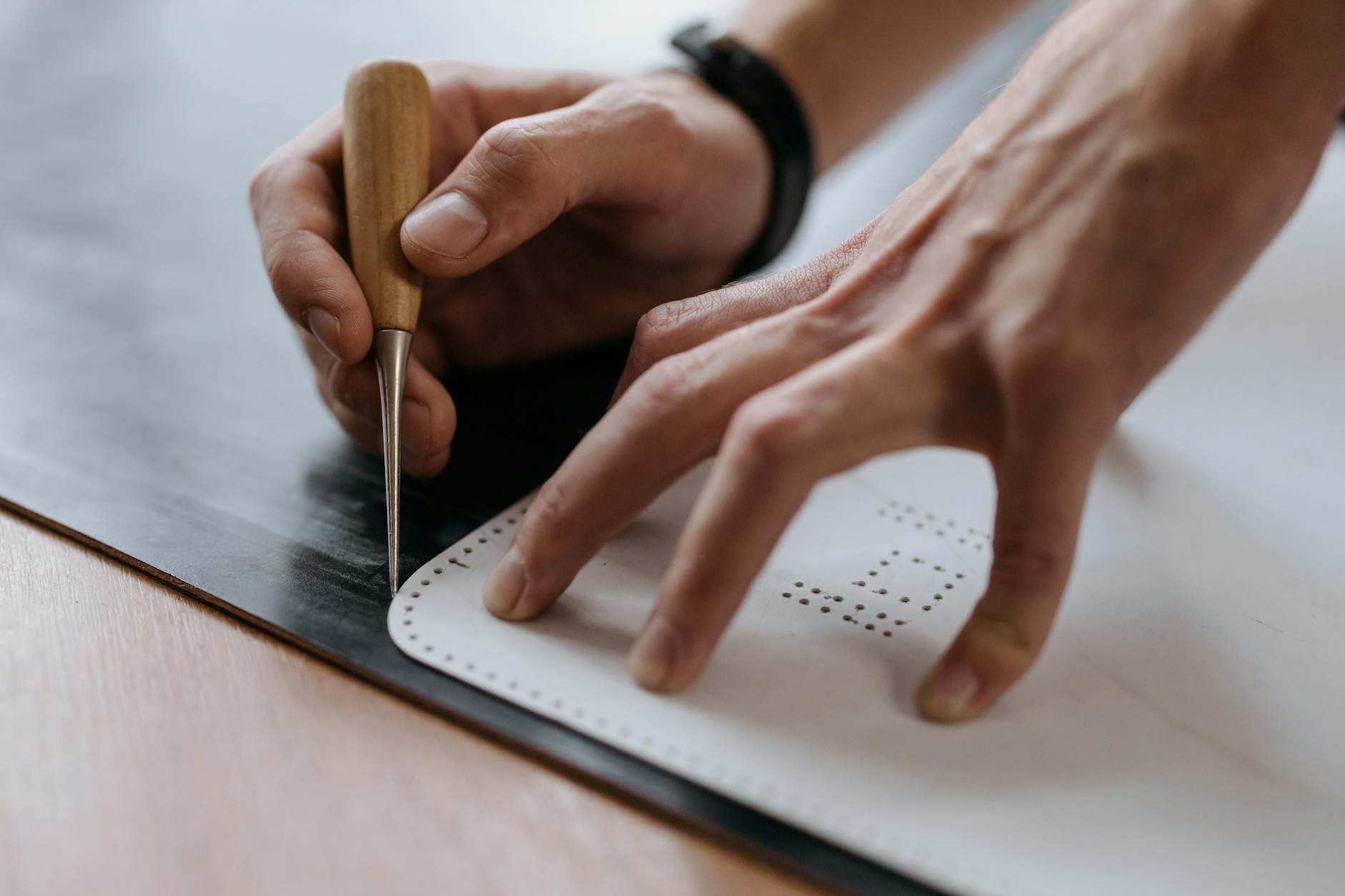
After years of sleek, over-polished AI-generated visuals and clinical perfection, the market is experiencing a deliberate correction toward intentionally warmer, more human-crafted aesthetics. Brands are discovering that algorithmic perfection, paradoxically, makes things feel less trustworthy and less memorable. A hand-drawn illustration with visible imperfections, a typeface with personality quirks, or photography that captures real people in real moments—these elements convey authenticity in a way that flawless AI output simply cannot. Designers reclaiming visual differentiation are leaning into this shift, embracing craft and intentionality as explicit brand signals. This doesn’t mean rejecting technology; rather, it means using technology in service of humanization rather than in place of it.
Motion design, for instance, increases engagement by up to 48% compared to static visuals, but only when that motion feels purposeful and crafted rather than algorithmically generic. A custom micro-interaction that responds to user behavior—a button that animates in a distinctive way, a scroll experience designed specifically for a brand’s narrative—creates an emotional connection that automated transitions cannot. The warning here is important: humanized design requires intentionality. A startup that swaps polished templates for “raw” or “imperfect” aesthetics without strategic purpose simply looks unfinished. The difference between charming authenticity and careless execution is discipline.
Custom Illustration and Photography as Business-Critical Assets
The case for custom visual content has solidified in 2026. Stock imagery, no matter how carefully curated, cannot capture specific audiences, use cases, or the nuanced positioning that differentiates a startup. A fintech platform serving underbanked communities in Southeast Asia has fundamentally different visual needs than one serving affluent retirees—stock photos cannot bridge that gap because they’re built for generic appeal. Custom illustration and photography, by contrast, allow startups to embed their values, their target demographic’s reality, and their unique approach directly into visual form. The ROI calculus for custom imagery has also shifted in favor of customization.
Volume purchasing makes custom photography and illustration more economical than it once was, especially when differentiation is genuinely a business priority. A startup spending $5,000 on a custom illustration that becomes core brand identity across a website, app, marketing materials, and merchandise is making a multiplier investment; that same $5,000 spent on curated stock photos looks identical to a competitor’s investment and delivers zero differentiation. The limitation to acknowledge: custom visual work requires time and creative partnership. A startup launching in four weeks cannot build custom illustration systems; the timeline simply doesn’t allow for the creative iteration, feedback loops, and refinement that generate truly distinctive work. This is why many successful startups treat visual identity development as pre-launch investment, building it in parallel with product development rather than as an afterthought.
Building Differentiation Through Visual Systems, Not One-Off Design Choices
Custom engagement isn’t about random design flourishes; it’s about systematic visual thinking. Startups that successfully reclaim differentiation build design systems—consistent frameworks for typography, color, motion, imagery, and layout that work across every touchpoint. This approach ensures that differentiation becomes a structural advantage rather than a surface-level aesthetic choice. An investor visiting a startup’s website, then opening their mobile app, then receiving an email, then viewing their pitch deck, should experience the same coherent visual language everywhere. That consistency, combined with distinctive elements (a custom typeface, a signature illustration style, a unique color approach), creates the kind of brand recognition that generic design simply cannot achieve. The tradeoff is complexity.
Building a design system requires more upfront investment than selecting a template. It demands collaboration between designers and product teams to ensure the system scales. But here’s where the math changes for startups: the effort compounds. Once you’ve built a design system, every new feature, page, marketing material, or product variant benefits from that foundational work. A template-based competitor has to recreate design logic every time they build something new; your startup’s system does the heavy lifting automatically. Two years into growth, this difference becomes a massive competitive advantage.
The Hidden Challenges of Custom Design and When DIY Fails
The biggest pitfall startups encounter with custom design is incomplete follow-through. A founder commissioning a beautiful custom homepage but then cutting corners on product pages, error states, and peripheral interfaces creates a fragmented experience that undermines the differentiation effort. Custom engagement demands consistency across the entire user journey, not just the hero moment. Warning: A half-implemented design vision—unique in some places, generic in others—often performs worse than a fully generic template because users notice the inconsistency and interpret it as lack of polish or resources. Either commit to custom differentiation systematically, or accept that template efficiency has real value for truly early-stage products.
Another challenge is the skill gap. Some founders attempt custom design work in-house without the necessary expertise. The intention is admirable, but the execution often results in design choices that feel personalized to the founder rather than strategically differentiated for the market. A startup founder creating a color palette based on “I really like this blue” is different from a designer selecting colors based on competitive positioning, audience psychology, and accessibility requirements. This doesn’t mean founders can’t be involved in design decisions; it means expertise matters. Bringing in a design professional, even part-time, dramatically increases the likelihood that custom design becomes a genuine competitive advantage rather than an expensive indulgence.

Real-World Examples of Custom Engagement Creating Market Advantage
Consider how a relatively unknown productivity startup rebuilt its identity around custom illustration and a distinctive motion language. The visual system was so coherent and memorable that users began sharing screenshots not because of the feature, but because the product looked like nothing else in the category. Within six months, organic social media mentions increased by 300%.
The differentiation wasn’t in features; it was in the visual signal that this company was intentional, thoughtful, and different from the corporate-neutral software category. A marketplace platform serving a specific demographic (say, artisans in developing countries) took a different approach: instead of stock photography, they built a custom photography program where every image depicted actual sellers and products from their community. The visual authenticity didn’t just differentiate; it became a trust signal that competitors couldn’t replicate without fundamentally changing their business model. This approach required investment, but it turned visual identity into a competitive moat.
The Future of Visual Differentiation in an Increasingly Commodified Market
As design tools become more accessible and AI generation improves, visual differentiation will paradoxically become both harder to achieve and more valuable when accomplished. The startups winning in 2026 and beyond won’t be those with the most polished designs; they’ll be those with the most *intentional* designs—visual systems that reflect specific strategic choices about positioning, audience, and brand values. Humanized design, personalization, and custom visual work aren’t trends; they’re the emerging baseline expectation for companies that want to be taken seriously.
The direction forward is clearer for thoughtful founders: treat design as a strategic asset from day one. Invest in expertise early, build systems that scale, and maintain the discipline to carry your visual language through every customer touchpoint. The window where cookie-cutter design was acceptable for startups has definitively closed. Visual differentiation is no longer a luxury; it’s the language through which markets evaluate legitimacy and trustworthiness.
Conclusion
The question of how designers reclaim visual differentiation isn’t rhetorical—it’s operational. Startups succeed by moving beyond template efficiency into intentional, systematic design thinking. This means commissioning custom illustration, building design systems that span entire products, ensuring motion and interaction design serve strategic purposes, and treating visual consistency as a business priority alongside feature development. The 38% of users who abandon poorly designed websites aren’t judging typography choices; they’re making snap judgments about whether a company merits their attention and trust.
For startup founders, the path is actionable: Audit your current design against competitor offerings. Identify 2-3 visual elements (typography, illustration style, motion language, color approach) that could become signature differentiators. Invest in expertise—whether a full-time designer, a fractional hire, or a strategic agency relationship—to build these elements coherently across your entire product and marketing presence. The startups that will dominate their categories in 2027 aren’t the ones that found the best template; they’re the ones that committed to making their visual identity impossible to copy.
Frequently Asked Questions
Can a startup with a small budget still achieve meaningful visual differentiation?
Yes, but strategically. Choose one or two visual elements to customize (perhaps a distinctive typeface and a signature illustration style) and apply them consistently. This creates differentiation without the cost of overhauling an entire design system. The key is consistency and intentionality, not budget size.
What’s the difference between “custom engagement” and just hiring a designer?
Custom engagement is systemic. It means building design frameworks that work across every touchpoint, ensuring that differentiation compounds over time. Hiring a designer for a one-off website redesign is tactics; building a design system is strategy. The best approach combines both.
How do startups know if their visual differentiation is actually working?
Track user behavior. Monitor time on site, engagement rates on pages with distinctive visual elements, organic social shares, and user feedback about brand perception. A/B testing visual approaches can reveal what resonates with your specific audience.
If motion design increases engagement by 48%, shouldn’t every startup add motion?
Not necessarily. Motion should serve a strategic purpose—guiding user attention, clarifying state changes, reinforcing brand personality. Motion for its own sake is distraction. Strategic motion increases engagement; arbitrary motion frustrates users. The measure is whether motion contributes to your specific differentiation strategy.
What’s the biggest mistake startups make with custom design?
Incompleteness. A beautiful homepage with a generic product experience creates cognitive dissonance. Commit to custom design systematically across the entire product and customer journey, or the differentiation effort backfires. Half-measures are worse than no custom design at all.
How often should a startup refresh its visual identity?
A well-designed system should last 3-5 years before meaningful refresh. The goal is to build something distinctive enough to be recognizable but flexible enough to evolve as the company grows. Constant redesigns signal that your original thinking wasn’t sound.