
Amazon’s acquisition of Fauna Robotics, announced March 24, 2026, marks a major escalation in the tech industry’s push into humanoid robotics—and specifically into machines designed for everyday use by younger consumers. The startup, founded just two years ago by former Meta and Google engineers, has been developing kid-size humanoid robots intended for home environments, positioning the company at the intersection of robotics innovation and the youth market. This move signals that the sector has moved beyond proof-of-concept labs and research papers into commercial deployment that could touch millions of households.
The timing matters enormously. Humanoid robotics emerged as 2026’s breakout investment category following several key commercial validation milestones, with the entire sector now projected to attract $20 billion or more in funding this year alone. Amazon’s acquisition is not an outlier but part of a coordinated push: Apple, Amazon, and Google are all making significant robotics investments, creating what observers describe as “a pretty exciting time for robotics.” For entrepreneurs and investors watching the space, this moment represents a fundamental shift in how the tech industry views humanoid robots—no longer as distant speculative technology but as a near-term market opportunity.
Table of Contents
- Why Tech Giants Are Racing to Dominate Humanoid Robotics
- The Youth Market Angle and Its Strategic Importance
- The Broader Humanoid Robotics Investment Wave
- Manufacturing Scale and the Practical Challenges Ahead
- The Unresolved Questions About Safety and Liability
- What This Acquisition Means for the Startup Ecosystem
- The Future of Humanoid Robots in Consumer Markets
- Conclusion
Why Tech Giants Are Racing to Dominate Humanoid Robotics
The explosion of capital and attention in humanoid robotics stems from genuine technical breakthroughs combined with massive market potential. Unlike previous robotics booms that stalled after pilot projects, the current wave is driven by advances in AI, motor control, vision systems, and battery technology that have made consumer-grade robots suddenly viable. Amazon’s interest in Fauna Robotics isn’t about creating autonomous warehouse workers—it’s about understanding how to build robots that can operate safely around children and integrate into home life, a far more challenging problem than most manufacturing or logistics applications. The competitive dynamics are clear: whoever wins the consumer robotics market stands to capture an enormous TAM (total addressable market).
Apple’s involvement signals that premium positioning is possible; Amazon’s acquisition suggests a bet on volume and integration with existing smart-home ecosystems. Meanwhile, Google’s robotics push focuses on different use cases. The contrast matters for entrepreneurs: a startup doesn’t have to beat Amazon at its own game to succeed. Instead, the market is likely to develop into multiple segments—home care robots, educational robots, entertainment robots, and specialized task robots—with room for multiple winners and acquirers.

The Youth Market Angle and Its Strategic Importance
Fauna Robotics’ focus on robots sized and designed for children is particularly telling about where the market is heading. Kid-size humanoid robots present specific engineering challenges: they need safety features that adult-oriented robots don’t, they require different interaction patterns, and they touch on parental concerns about technology and childhood development. By acquiring Fauna, Amazon gains expertise in a market segment that could eventually dwarf industrial robotics—the consumer market for home robots, with products positioned as companions, educational tools, or assistants for family life.
However, there’s a significant limitation to this strategy: the youth robotics market remains largely unproven at scale. Fauna Robotics had only two years of operational history before acquisition; it’s unclear how its robots would have performed in large-scale consumer deployment, what manufacturing challenges would emerge, or what the actual demand curve looks like. Amazon’s resources help, but they also add risk—if consumer acceptance of home robots proves slower than expected, the company is betting billions on a technology cycle that might take longer to mature than anticipated. Compare this to Amazon’s warehouse robotics plays, where return on investment is measurable and predictable.
The Broader Humanoid Robotics Investment Wave
The $20 billion projected for humanoid robotics funding in 2026 doesn’t represent a diversified market yet; it’s concentrated in a handful of well-capitalized ventures and corporate acquisitions. Companies like Boston Dynamics (acquired by Hyundai), Tesla’s Optimus project, and Figure AI have raised enormous rounds or are backed by major corporations. Fauna Robotics’ acquisition continues this trend: talent and IP in robotics are flowing toward companies with the resources to scale manufacturing, fund continued R&D, and weather the long timeline to profitability.
This concentration creates both opportunity and risk for startups. The opportunity: if you have genuine innovation in robotics—whether in kinematics, control algorithms, battery efficiency, or use-case-specific design—acquisition offers an attractive exit path, as Fauna has demonstrated. The risk: standing out in a field where major tech companies are directly competing and acquiring talent requires solving a problem those giants either can’t or won’t tackle themselves. Fauna’s specific advantage appears to have been its founders’ pedigree and its focus on a consumer segment (youth/home use) that was underexplored when they started.
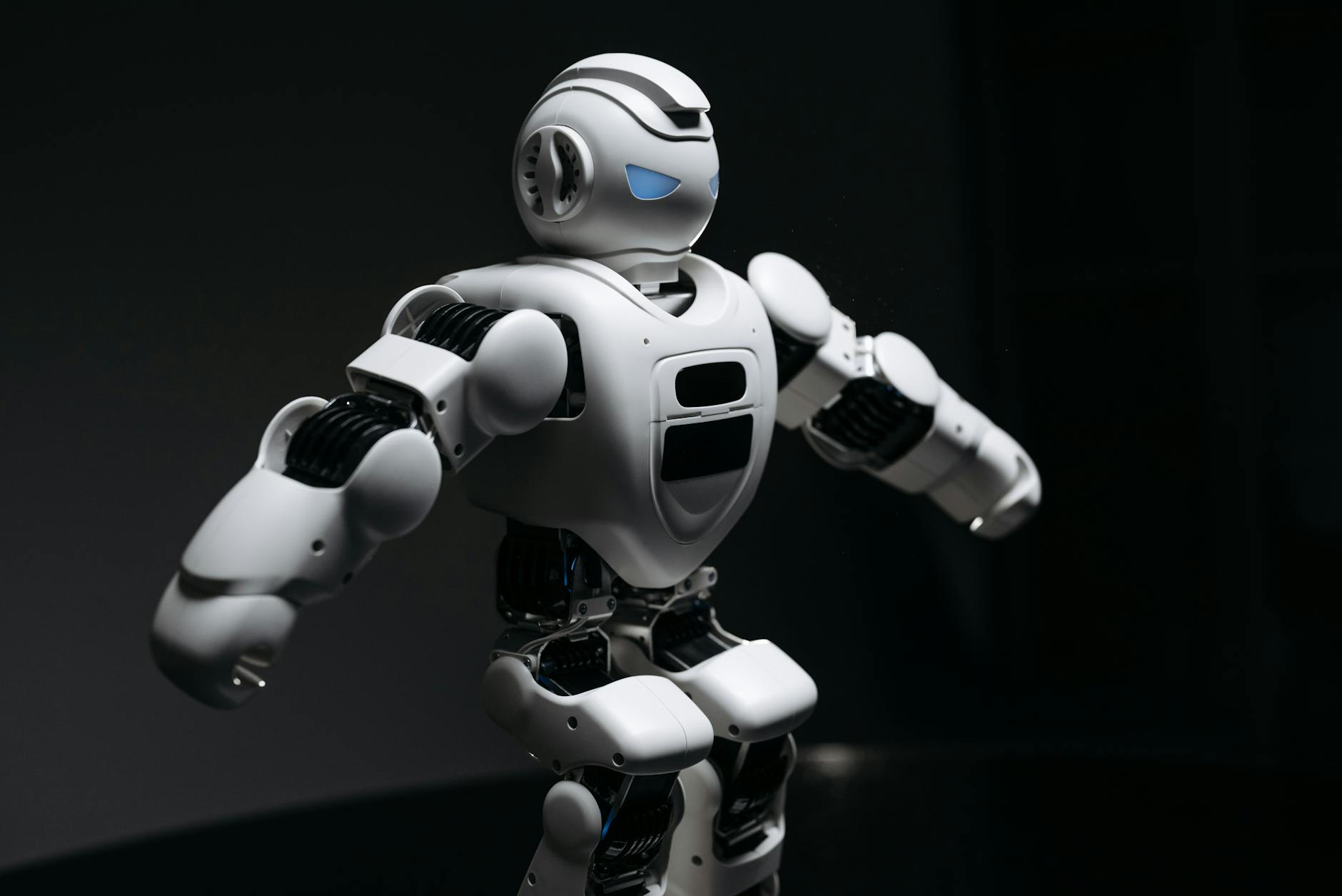
Manufacturing Scale and the Practical Challenges Ahead
Designing a robot and manufacturing it at consumer scale are entirely different problems. Fauna Robotics likely had working prototypes or limited production runs; Amazon now faces the challenge of scaling to thousands or millions of units while maintaining quality, managing supply chains for specialized components, and achieving the unit economics necessary for profitability. This is where many robotics companies have stumbled historically—the cost of production doesn’t come down as quickly as in software, and consumer tolerance for product defects is low.
The comparison to smartphones is instructive but ultimately misleading. Yes, smartphone manufacturing became incredibly efficient, but robotics has more moving parts, more opportunity for mechanical failure, and lower production volumes (at least initially). Amazon’s advantages are real—manufacturing expertise, supply chain leverage, integration with AWS for firmware updates and data processing—but they don’t eliminate the core challenge of making complex hardware reliable and affordable enough for consumer adoption.
The Unresolved Questions About Safety and Liability
Home robots operating around children introduce regulatory and liability questions that remain partially unsettled. What safety standards should a kid-size robot meet? What happens if a robot malfunctions and injures a child? Who bears the liability—the manufacturer, the distributor, or the parent who deployed it? These questions don’t have clear answers yet, and they will affect how quickly companies like Amazon can bring products to market. Robot companies are working with regulators to establish frameworks, but those frameworks don’t yet exist in most jurisdictions.
There’s also a practical limitation: consumer adoption of robots in homes depends on the perceived utility and cost justifying the risks and hassle. A robot that costs $5,000, requires significant maintenance, and sometimes misbehaves will face an uphill battle, even with Amazon’s brand behind it. The company will need to demonstrate genuinely compelling use cases—tutoring, companionship, physical assistance—rather than positioning robots as novelties or status symbols.

What This Acquisition Means for the Startup Ecosystem
Fauna Robotics’ exit demonstrates a viable path for deep-tech founders: build something genuinely innovative in a hard field, raise enough capital to prove the concept, and position yourself as either a platform that giants want to own or a specialist supplier they need to acquire. For other robotics startups, the signal is mixed. On one hand, acquisitions like this validate that the space is real and valuable; on the other hand, they signal that independent robotics companies will likely face increasing pressure from well-capitalized corporate entrants.
The founders of Fauna—drawn from Meta and Google—represent a broader trend of top technical talent flowing from large tech companies into specialized applications of AI and robotics. This is healthy for innovation because those engineers bring deep expertise and operational discipline. It also suggests that entrepreneurial robotics companies will need to either hire similar talent or focus on problems where fresh perspectives and smaller team sizes provide advantages that large companies can’t match.
The Future of Humanoid Robots in Consumer Markets
If Fauna Robotics’ technology and Amazon’s resources converge successfully, the company could establish a foothold in a market that doesn’t yet exist at scale. The next few years will be critical: can Amazon deliver a robot that consumers find genuinely useful? Can it be manufactured affordably? Will regulatory approval in major markets proceed smoothly? Success on all three fronts isn’t guaranteed, and the robotics graveyard is full of companies that failed on one or more. Looking forward, the robotics market will likely differentiate into multiple categories over the next five years.
Specialty industrial robots will continue their growth trajectory; consumer home robots will either become ubiquitous or remain niche depending on killer applications; and educational robots may become standard in schools. Amazon’s bet on youth-focused robots positions the company to compete in multiple segments simultaneously. Whether that strategy succeeds depends less on technology and more on execution, market timing, and whether the underlying consumer demand actually exists at the scale the company needs.
Conclusion
Amazon’s acquisition of Fauna Robotics represents more than a single deal; it’s evidence that humanoid robotics has transitioned from speculative research to a competitive market attracting billions in capital from the world’s largest tech companies. The move underscores that expertise in building robots for consumer environments, particularly for younger users, is valuable enough to acquire at scale.
For entrepreneurs in robotics, the lesson is clear: the space is real, capital is flowing, and acquisition opportunities exist for teams that solve genuinely hard problems or gain access to underexplored market segments. For investors and startup founders outside robotics, the broader pattern matters: 2026 is the year when transformative hardware categories moved from “someday” to “this year.” The next cohort of successful robotics companies will likely follow Fauna’s model—deep technical expertise combined with focus on a specific use case that larger companies haven’t yet dominated. The $20 billion in projected humanoid robotics funding won’t flow evenly, and most startups in the space will fail, but the exits for winners like Fauna demonstrate that the bet itself is real.