
To invoice as a freelancer, you need to create a document that includes your business name and contact information, the client’s details, a unique invoice number, the date, an itemized list of services with rates and hours (or project fees), payment terms, and your preferred payment method. Send this invoice promptly upon completing work””or according to your contract’s billing schedule””and follow up systematically on unpaid invoices. A graphic designer completing a logo project, for example, would send an invoice listing “Logo Design – Brand Identity Package” at $2,500, with payment due in 14 days via bank transfer or PayPal, including all the identifying details needed for the client’s accounting department to process payment.
Getting paid consistently as a freelancer depends not just on doing good work but on invoicing professionally and following up without hesitation. Many freelancers undercharge, invoice late, or fail to establish clear payment terms””then wonder why cash flow becomes a constant struggle. This article covers everything from structuring your first invoice to handling international clients, choosing invoicing software, dealing with late payments, and understanding the tax implications that catch many independent workers off guard.
Table of Contents
- What Should a Freelance Invoice Include to Get Paid Quickly?
- Choosing Between Hourly, Project-Based, and Retainer Invoicing
- How Payment Terms Affect Your Freelance Cash Flow
- The Best Invoicing Software for Different Freelance Situations
- Handling Late Payments and Non-Paying Clients
- Tax Considerations When Invoicing as a Freelancer
- Setting Professional Payment Policies from Day One
- Building Systems That Scale Your Invoicing Efficiency
- Conclusion
What Should a Freelance Invoice Include to Get Paid Quickly?
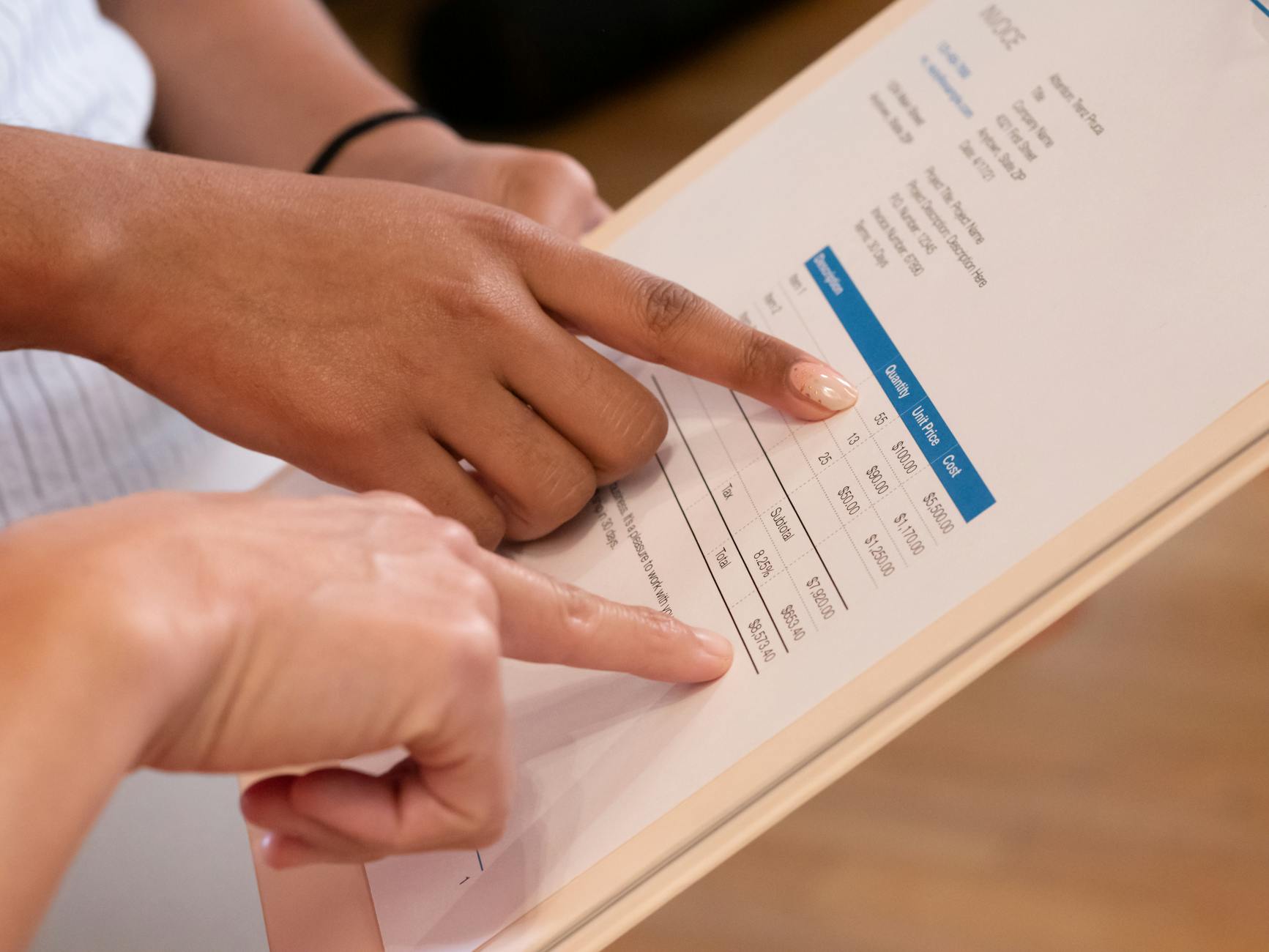
A complete freelance invoice contains several essential elements that serve both legal and practical purposes. Start with your business identity: your name (or business name if you operate as an LLC or corporation), address, email, phone number, and tax identification number if applicable. The client’s information should mirror this””company name, billing contact, and address. Every invoice needs a unique invoice number for tracking purposes; most freelancers use a sequential system (INV-001, INV-002) or date-based codes (2024-03-001). include both the invoice date and the due date explicitly, because “Net 30” means different things to different accounting departments. The line items section is where clarity pays off.
Rather than writing “consulting services – $3,000,” break down deliverables: “Market research report (8 hours @ $150/hr) – $1,200” plus “Competitive analysis presentation (12 hours @ $150/hr) – $1,800.” This specificity reduces questions and disputes. Include subtotals, any applicable taxes, discounts, and a clear total amount due. Payment instructions should leave no room for confusion””if you accept bank transfers, provide routing and account numbers; for PayPal, include your email; for international wire transfers, add your SWIFT code. One element many freelancers skip is a brief project reference or purchase order number if the client provided one. Enterprise clients especially need this for their internal systems. A freelance writer invoicing a marketing agency discovered that her invoices sat unpaid for 60+ days until she started including the project codes from the original assignment emails””then payments arrived within two weeks consistently.
Choosing Between Hourly, Project-Based, and Retainer Invoicing
The billing structure you choose affects not just your invoice format but your entire client relationship and cash flow predictability. hourly invoicing works well for ongoing work with variable scope””a web developer maintaining a client’s site, for instance, might bill 12 hours one month and 40 the next. This model requires meticulous time tracking and regular communication about hours spent. Project-based invoicing suits defined deliverables with clear start and end points: a $5,000 flat fee for a complete website redesign, regardless of hours invested. Retainer arrangements offer the most stability, with clients paying a fixed monthly amount for a predetermined scope of work or availability.
A marketing consultant might charge $3,000 monthly for up to 20 hours of strategy work, with overage billed at $175/hour. However, retainers require careful scope definition””without clear boundaries, clients may expect unlimited access while you expected bounded availability. The invoicing for retainers is simple (same amount monthly), but the contract work beforehand is more complex. If you’re starting out or working with a new client, project-based billing often makes sense because it limits exposure for both parties. But recognize the tradeoff: project fees protect you from scope creep only if you define scope precisely and enforce change-order processes. Hourly billing protects your time investment but caps your earning potential””you can’t benefit from efficiency gains when you’re selling hours instead of outcomes.
How Payment Terms Affect Your Freelance Cash Flow
Payment terms dictate when money actually reaches your account, and the difference between Net 15 and Net 45 can mean the difference between paying rent comfortably or scrambling for bridge income. Standard options include payment upon receipt (ideal but rare for project work), Net 15, Net 30, and Net 45. Enterprise clients often default to Net 45 or even Net 60, which can devastate a freelancer’s finances if not anticipated. A freelance developer accepting a $20,000 project with Net 60 terms might not see payment for three months after starting work””longer if the client’s accounting department runs late. Negotiating payment terms is acceptable and often expected.
Many freelancers successfully request 50% upfront and 50% upon completion, or break larger projects into milestone payments. A UX designer working on a six-month app redesign might structure invoicing as 25% at project kickoff, 25% at wireframe approval, 25% at design completion, and 25% at final delivery. This approach maintains cash flow and creates natural checkpoints for scope alignment. Late payment penalties and early payment discounts are legitimate tools, though their effectiveness varies by client type. A “2% discount if paid within 10 days” can accelerate payment from smaller companies with cash flexibility, while large corporations typically ignore such incentives because their payment cycles are institutionally fixed. Adding “1.5% monthly interest on overdue balances” to your terms provides leverage for collection efforts, but enforcing it against a Fortune 500 company is practically difficult.

The Best Invoicing Software for Different Freelance Situations
Invoicing software ranges from free basic tools to comprehensive business management platforms, and the right choice depends on your volume, complexity, and integration needs. Wave and Zoho Invoice offer robust free tiers suitable for freelancers sending fewer than 15-20 invoices monthly. FreshBooks ($17-55/month) and QuickBooks Self-Employed ($15-30/month) add expense tracking, mileage logging, and more sophisticated reporting. HoneyBook and Dubsado ($20-40/month) combine invoicing with contracts, proposals, and client management””useful for creative professionals who want a unified workflow. For freelancers who want simplicity over features, dedicated invoice generators like Invoice Ninja or PayPal’s built-in invoicing may suffice.
A freelance translator sending five invoices monthly to repeat clients doesn’t need project management features””a clean invoice template and reliable payment tracking is enough. Conversely, a freelance agency owner managing 40 clients and 200 invoices monthly needs automation, recurring invoices, and integration with accounting software like Xero or QuickBooks Online. The comparison often comes down to whether you need invoicing alone or invoicing as part of a broader system. Standalone invoicing is cheaper and simpler but requires manual work or additional tools for other business functions. Integrated platforms cost more and have steeper learning curves but reduce context-switching and data entry. Most freelancers outgrow free tools within their first year or two if their business is growing””budget for a paid solution eventually.
Handling Late Payments and Non-Paying Clients
Late payments aren’t an occasional inconvenience””they’re a structural feature of freelance work that requires systematic management. Build a follow-up sequence before you need it: a friendly reminder the day payment is due, a firmer notice at 7 days overdue, a formal demand at 30 days, and escalation procedures beyond that. Automation helps here; most invoicing software can send reminders automatically, removing the emotional friction of chasing payments manually. Preventive measures reduce late payment frequency more than collection efforts cure it. Require deposits on new client relationships. Implement clear late fees in your contracts and on invoices.
Pause ongoing work when invoices go unpaid beyond agreed terms””this is uncomfortable but effective, as clients who need your continued output will prioritize payment. A freelance video editor learned to stop delivering raw footage until previous invoices cleared; her late payment rate dropped from 40% to under 10%. When prevention fails, escalation options include collection agencies (which typically take 25-50% of recovered amounts), small claims court (for amounts under $5,000-10,000 depending on jurisdiction), or writing off the loss and moving on. The decision depends on the amount, your relationship with the client, and your time’s opportunity cost. Spending 20 hours chasing a $500 invoice is poor economics regardless of the principle involved. Document everything, learn from the experience, and tighten your vetting or payment terms for future clients.

Tax Considerations When Invoicing as a Freelancer
Freelance invoicing intersects with tax obligations in ways that catch many independent workers off guard. In the United States, you’ll likely need to collect W-9 forms from clients paying you over $600 annually and issue 1099s to subcontractors you pay. Depending on your location and services, you may need to charge sales tax””most states exempt services, but some don’t, and digital products add complexity. A freelance web designer in Texas charges no sales tax on design services but must collect it on hosting resales. Set aside 25-35% of every invoice payment for taxes, including self-employment tax (15.3% for Social Security and Medicare), federal income tax, and state income tax where applicable.
Quarterly estimated tax payments prevent a massive April bill and associated penalties. Your invoices should reflect any taxes you’re required to collect, keeping them separate from your service fees for clarity. International invoicing introduces VAT considerations for work with European clients, potential withholding taxes, and currency conversion complications. A U.S. freelancer invoicing a German company may need to provide a VAT exemption statement or navigate reverse-charge mechanisms. These complexities often justify hiring an accountant or tax professional once your freelance income exceeds $40,000-50,000 annually””the fees pay for themselves in avoided mistakes and missed deductions.
Setting Professional Payment Policies from Day One
The contracts and communications you establish before invoicing begins determine how smoothly payment flows afterward. Define payment terms in your proposal or contract before starting work, not after. Specify exactly when invoices will be sent, when payment is due, what payment methods you accept, and what happens when payments are late. A statement like “Invoices are sent upon milestone completion and due within 14 days via ACH transfer or credit card; balances overdue beyond 30 days accrue 1.5% monthly interest” leaves no room for misunderstanding.
For new client relationships especially, trust but verify. Request a deposit (25-50% is common) before beginning significant work. Research the company’s payment reputation through freelancer forums and networks. Start with smaller projects to establish a payment track record before committing to larger engagements. A freelance copywriter accepts only projects under $2,000 from unvetted clients until they’ve paid three invoices on time, then opens up to larger retainers.
Building Systems That Scale Your Invoicing Efficiency
As your freelance business grows, invoicing should require less of your time proportionally, not more. Template your invoices so creating each one takes minutes rather than building from scratch. Establish a consistent invoicing schedule””every Friday, the first of the month, or immediately upon delivery””so the habit becomes automatic.
Use invoicing software that supports recurring invoices for retainer clients, eliminating monthly busywork entirely. Consider batch processing your invoicing during a dedicated weekly time block rather than interrupting focused work each time you complete something billable. A freelance consultant who invoices 15 clients monthly dedicates 90 minutes every Monday morning to invoice generation, follow-up emails, and payment reconciliation. This systematic approach means he never forgets to invoice and catches late payments immediately rather than discovering them weeks later.
Conclusion
Invoicing effectively as a freelancer requires combining clear documentation, strategic payment terms, appropriate tools, and systematic follow-up. The core elements remain consistent regardless of your field: complete invoice information, reasonable but firm payment terms, professional software that matches your volume and complexity, and established procedures for handling the late payments that inevitably occur.
Start with a complete invoice template, negotiate favorable payment terms before beginning work, and build your follow-up systems before you need them. The freelancers who maintain healthy cash flow aren’t necessarily more talented than those who struggle””they’re simply more systematic about the business side of their work. Treat invoicing as a professional skill worth developing, and the administrative friction of freelance work becomes manageable rather than overwhelming.